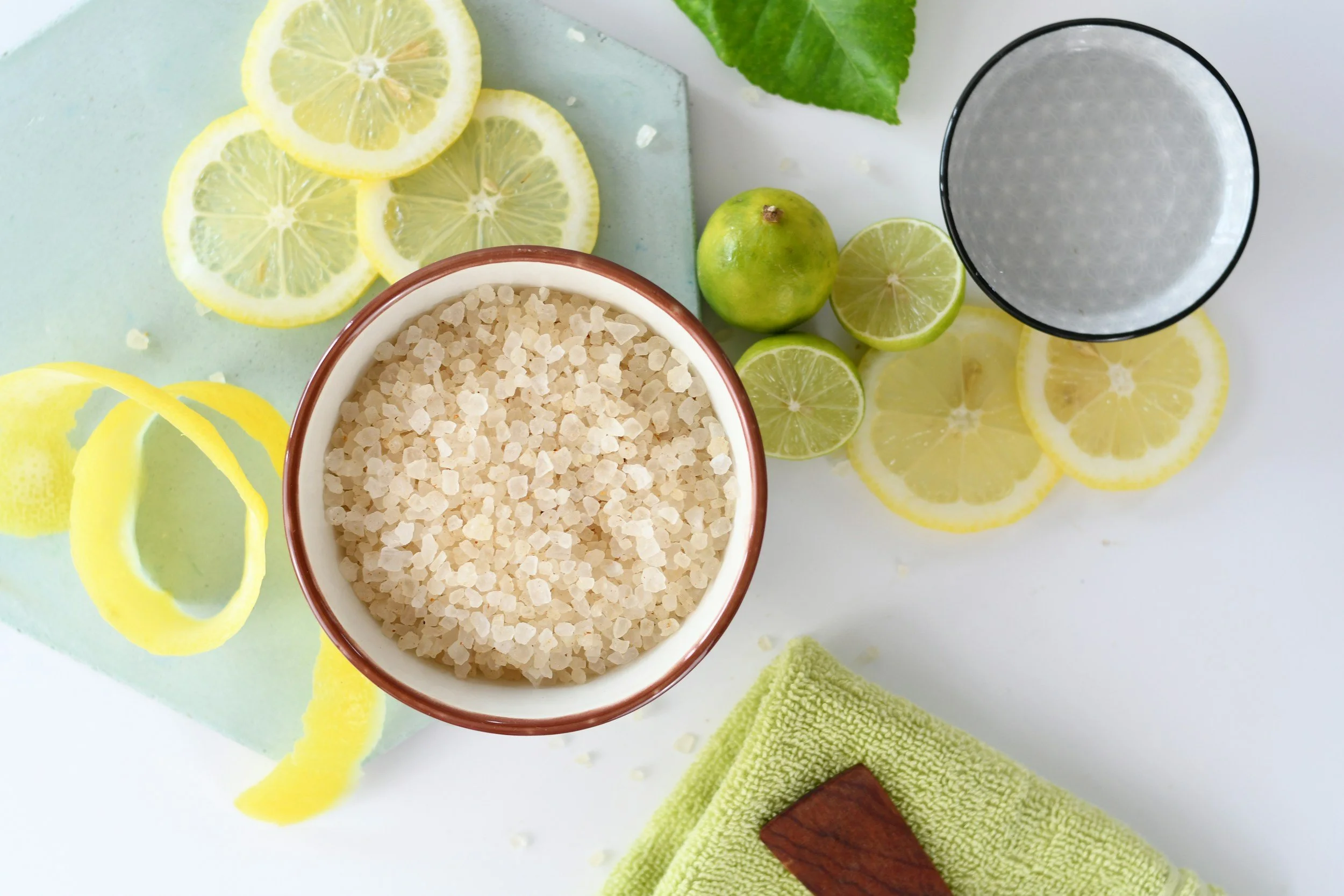
Exfoliation 101: The Skincare Step That's Making or Breaking Your Wax Results
If you're waxing regularly but still dealing with bumps, ingrowns, and dull skin, chances are exfoliation is the missing piece. It's not optional, it's not a "nice to have" — it's the difference between smooth, glowing skin and a cycle of frustrating breakouts and trapped hairs. Let's break down exactly what it is, why it matters, and how to actually do it right.
What Exfoliation Actually Is
Exfoliation is the process of removing dead skin cells from the surface of your skin. Your body sheds skin cells naturally, but that process slows down with age, dehydration, and lack of upkeep. When dead cells build up instead of shedding, they clog pores, dull your complexion, and — this is the big one for waxing clients — trap hair follicles under the skin's surface. That's exactly how ingrown hairs happen.
There are two main categories: manual exfoliation and chemical exfoliation. Both work, but they work differently, and using the wrong one at the wrong time is often what causes irritation.
Why It's Non-Negotiable for Wax Clients
If you're getting Brazilians, leg waxes, or any regular waxing service in Utah County, exfoliation should be part of your routine between appointments, not just something you think about when a breakout shows up. Here's what it actually does for you:
- Clears the path for hair to grow out instead of curling back under the skin
- Prevents dead skin buildup that leads to clogged follicles and bumps
- Helps wax adhere better to the hair instead of the skin, which means less discomfort at your next appointment
- Keeps skin tone even and smooth between services
- Reduces the frequency and severity of ingrown hairs over time
Skipping exfoliation doesn't just mean duller skin — for waxing clients specifically, it's one of the top causes of post-wax ingrowns and irritation.
Manual Exfoliation
This is physical exfoliation — using a tool or textured product to physically slough off dead skin. Think exfoliating gloves, body scrubs, dry brushing, or a washcloth with some texture to it.
**Pros:** Immediate results, affordable, easy to control the intensity.
**Cons:** Too much pressure or frequency can cause micro-tears in the skin, especially in sensitive areas post-wax. This is where a lot of people go wrong — scrubbing hard thinking it'll work faster. It won't. It'll just irritate you.
**How to use it:** 2-3 times per week is plenty for body areas. Never exfoliate manually within 24-48 hours after a wax — skin is more sensitive and vulnerable right after service.
Chemical Exfoliation
This uses acids or enzymes to dissolve the "glue" holding dead skin cells together, so they release on their own without any scrubbing. This category includes AHAs (like glycolic and lactic acid), BHAs (like salicylic acid), and enzyme exfoliants.
**Pros:** More even results, gentler on the skin barrier when used correctly, and BHAs in particular are excellent for ingrown-prone skin because they can penetrate into the follicle itself.
**Cons:** Can cause sensitivity or purging if you go too strong too fast. Sun sensitivity is also a factor with AHAs.
**How to use it:** This is where a product like Agent 88 comes in — it's a go-to for ingrown prevention because it combines exfoliation with follicle-clearing action. Using it 2-3 times a week between waxing services keeps follicles clear without overdoing it.
**The golden rule:** Don't combine aggressive manual scrubbing and strong chemical exfoliants in the same routine. Pick one primary method and use the other sparingly, or you'll compromise your skin barrier.
When Ingrowns Get Deep and Painful — What to Actually Do
Sometimes an ingrown hair isn't just a little bump you can exfoliate away. If you're dealing with something deep, hard, inflamed, and genuinely painful to the touch, that's a different situation and it needs to be handled carefully.
**Stop scrubbing the area.** This is the number one mistake. When an ingrown is angry and inflamed, manual exfoliation on top of it will only aggravate the tissue further and can push bacteria deeper.
**Switch to targeted chemical exfoliation only.** A BHA-based spot treatment (like Agent 88 applied directly to the area) can help soften the skin above the trapped hair without physical trauma. Apply consistently, not aggressively.
**Warm compress first.** Before any product, a warm compress for 5-10 minutes can help bring inflammation down and soften the skin, sometimes helping the hair release closer to the surface on its own.
**Do not dig, pick, or try to extract it yourself.** I know the temptation is real, but at-home extraction on a deep, inflamed ingrown is how you end up with scarring, hyperpigmentation, or a full-blown infection. If it's not close enough to the surface to release easily, it's not ready — force will only make it worse.
**Give it time and consistency.** Deep ingrowns can take 1-2 weeks of gentle, consistent care to resolve. This isn't an overnight fix, and that's normal.
**Know when to see a professional.** If the area is getting more swollen, red, warm to the touch, or showing pus, that's a sign of infection, not just a stubborn ingrown. That's your cue to see your doctor or a dermatologist rather than continuing to self-treat.
The Bottom Line
Exfoliation isn't a side step, it's core maintenance. Manual and chemical exfoliation both have a place in your routine, but they need to be used with intention, not just whenever you remember. And when things go deeper than a surface-level bump, back off the physical stuff, lean into gentle chemical care, and give your skin the time it needs to heal.
If you're in Vineyard, Lehi, American Fork, Orem, or Saratoga Springs and you're dealing with recurring ingrowns no matter what you try, that's exactly the kind of thing worth bringing up at your next appointment. Sometimes it's a product issue, sometimes it's technique, and sometimes it just needs a professional set of eyes on it